
Project 01
Manufacturing Facilities
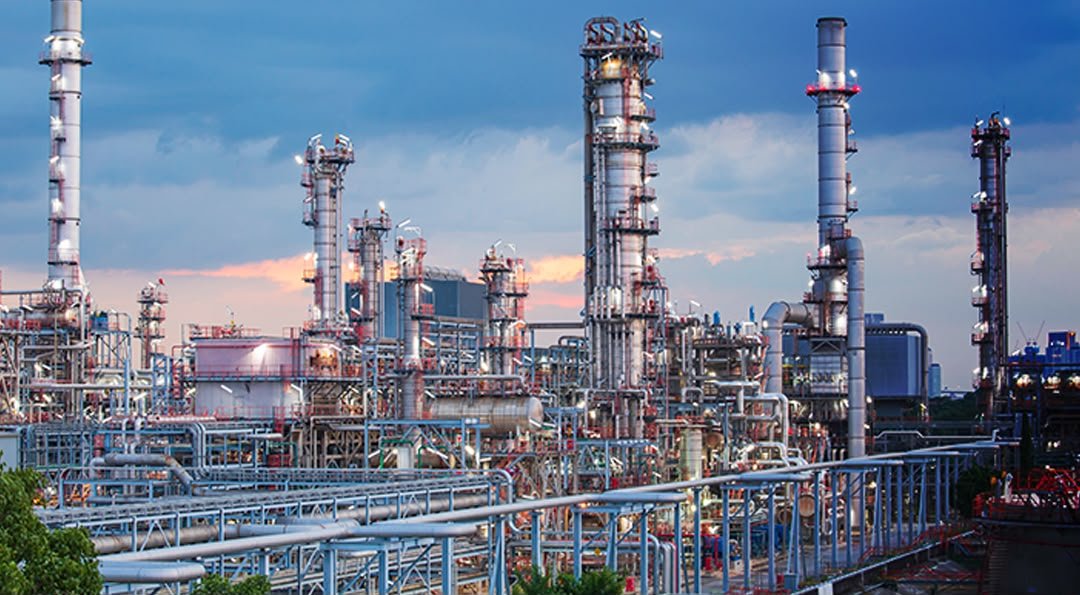
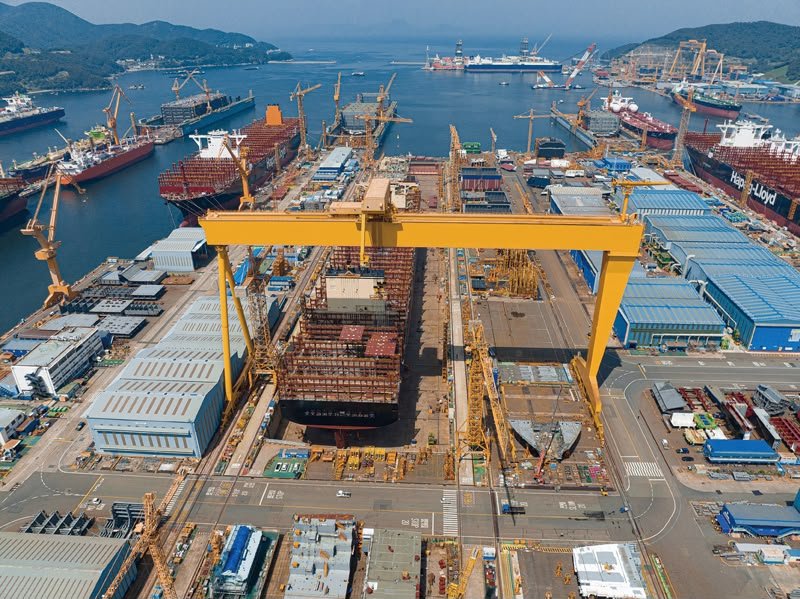
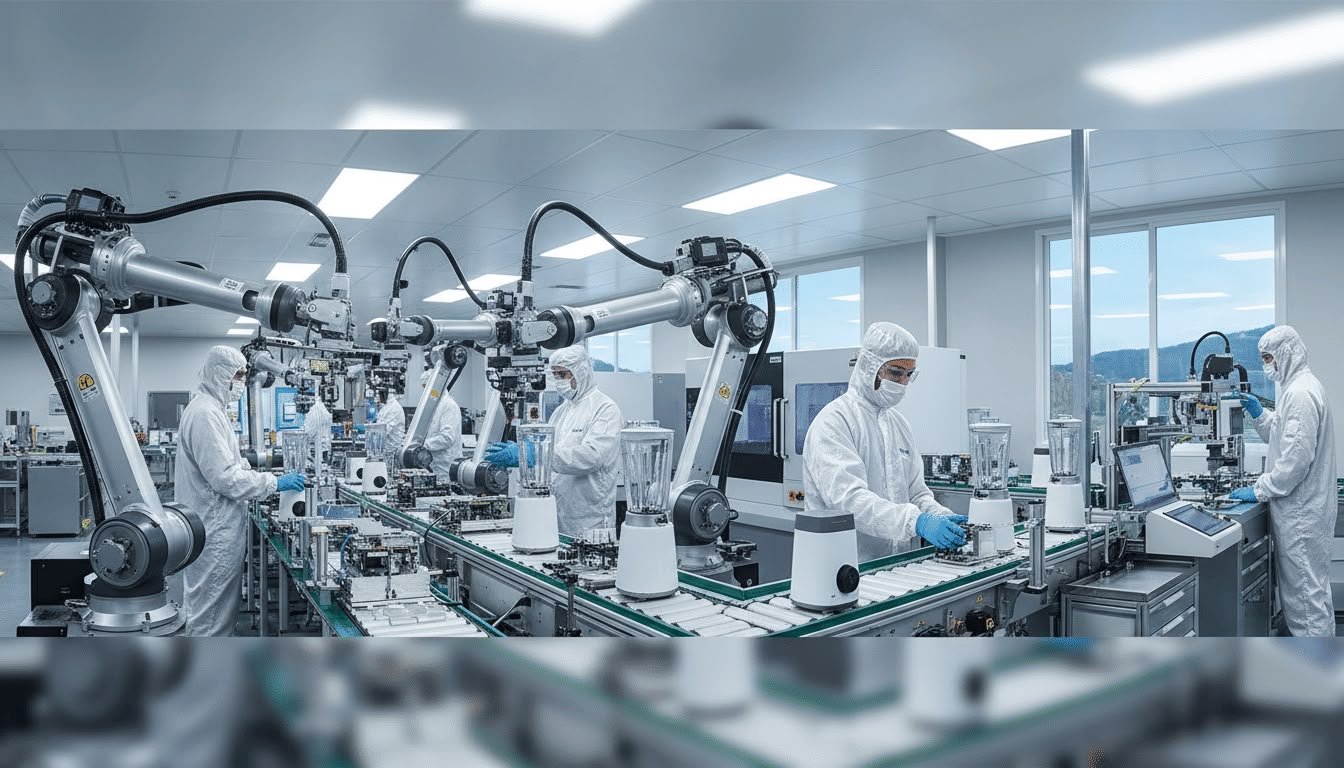
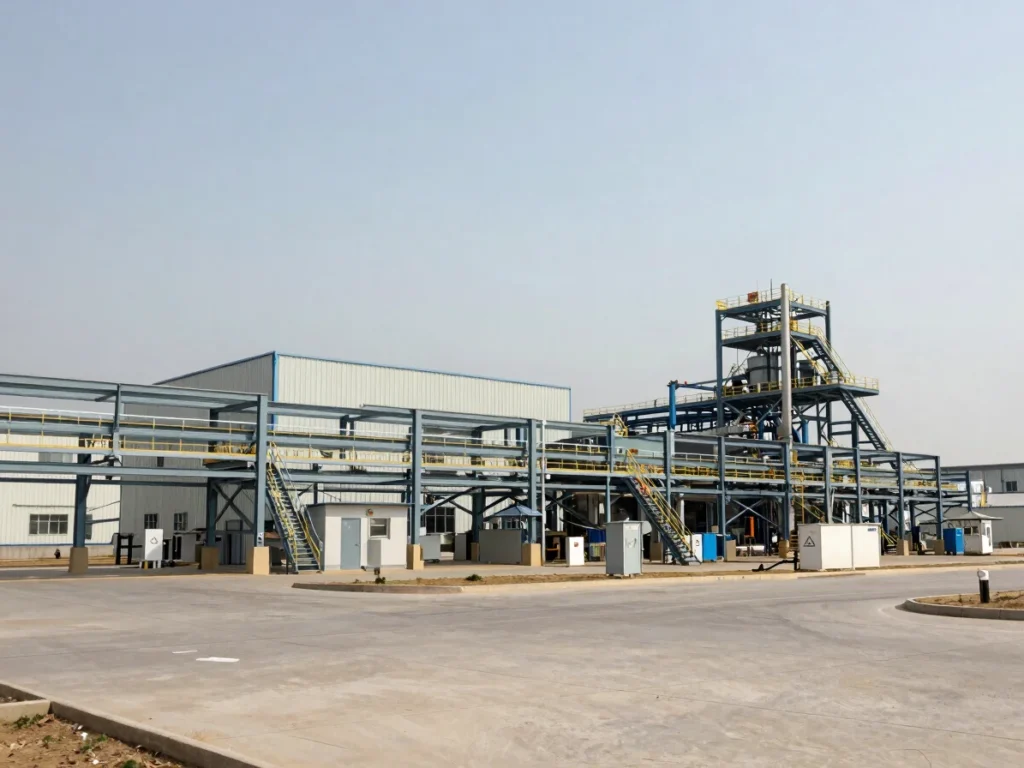
These facilities are used for the assembly, processing, and production of goods. They are broadly categorized based on their scale and the items
produced:
* Heavy Manufacturing: Large-scale facilities requiring extensive land and complex equipment, such as those for automotive, shipbuilding, aerospace, steel, or petrochemical production.
* Light Industrial: Facilities dedicated to the production of smaller, less voluminous goods, such as furniture, apparel, electronic components, or cosmetics.

Project 02
Warehouse & Logistics
These are essential spaces for the storage and distribution of raw materials and finished products.
. Storage Warehouses: Standard industrial spaces designed for inventory management and efficient distribution.
Cold/Frozen Storage: Specialized facilities for the safe storage of temperature-sensitive or perishable items, such as food products and pharmaceuticals.
.
* Climate-Controlled Warehouses: Facilities designed for products that require strictly maintained temperature and humidity levels, such as advanced electronic components or precision instruments
Project 3
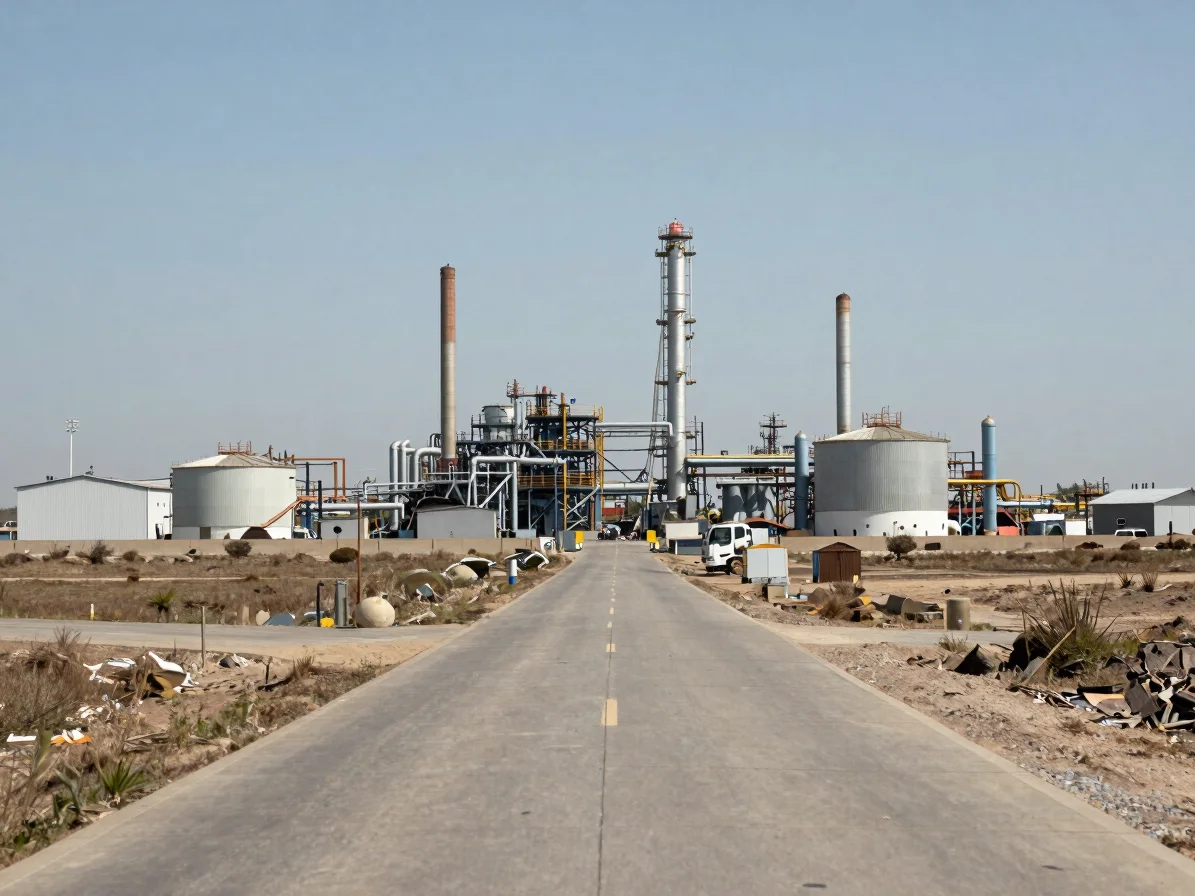
Industrial Infrastructure
This refers to the social overhead capital (SOC) that supports the smooth operation of
industrial facilities.
* Transportation and Logistics: Infrastructure connecting industrial sites to markets,
including roads, railways, ports, and airports.
* Utility Supply: Essential services for factory operations, such as industrial water supply,
power infrastructure, and telecommunication networks.
◦ Environmental Protection: Facilities for managing byproducts generated during
production, ncluding waste treatment plants, sewage and wastewater treatment facilities,
and incinerators
Project 04
Modern Transformation: Knowledge-Based and High-Tech Industrial Facilities
In line with deindustrialization and digital transformation, urban-based industrial facilities
are rapidly increasing.
. Urban High-Tech Industrial Complexes: Spaces developed within urban areas to foster
knowledge-based, high-tech industries, such as information technology (IT),
biotechnology, and cultural content
* Knowledge Industry Centers: A type of “apartment-style” factory that serves as a
popular alternative in densely populated regions such as the Seoul Metropolitan Area-
where the establishment of traditional factories is restricted. These centers are
characterized by excellent accessibility and proximity to public transportation
infrastructure.
Open a conversation with our investment team
For partners, investors, and stakeholders who want to learn more about our projects.